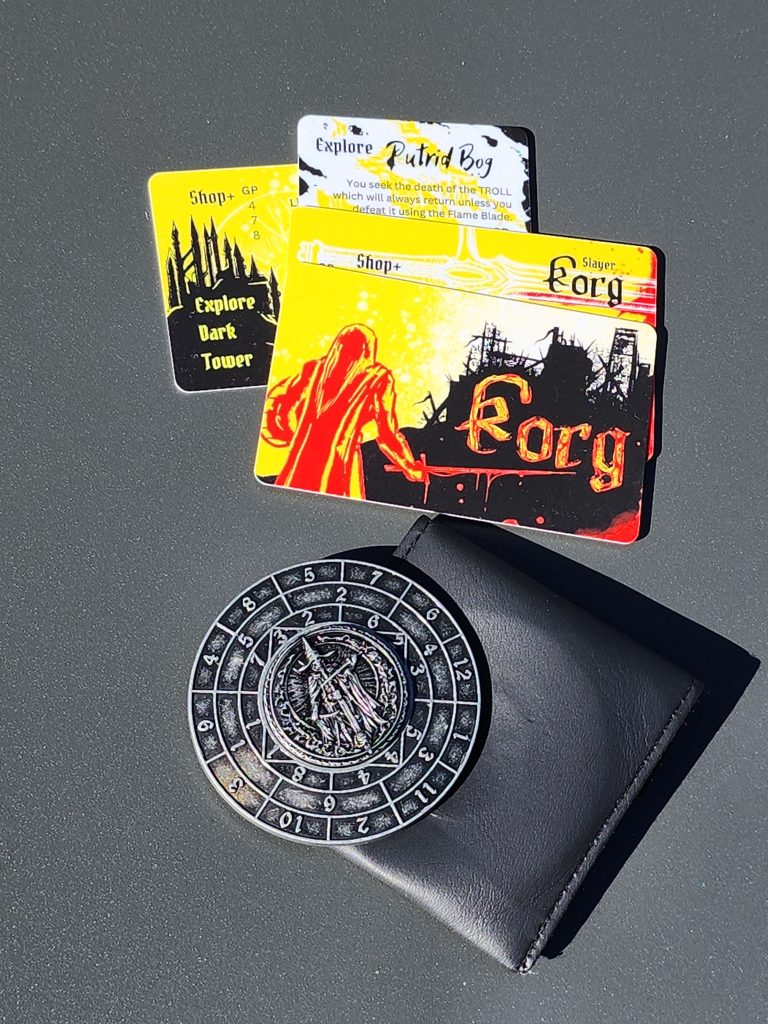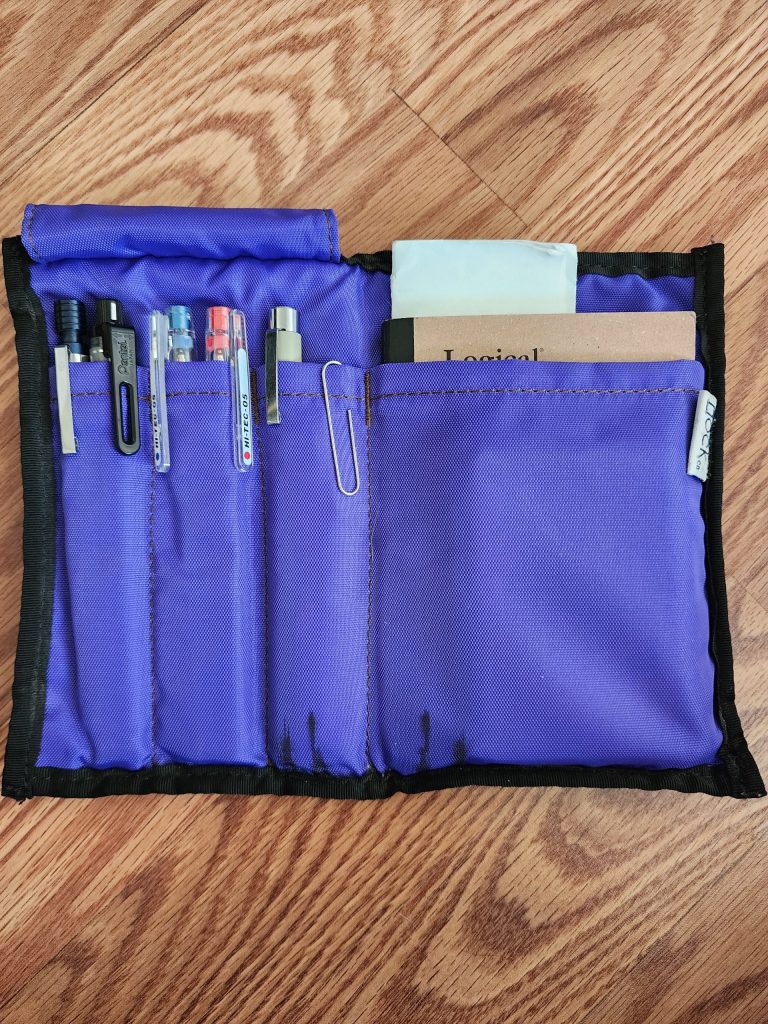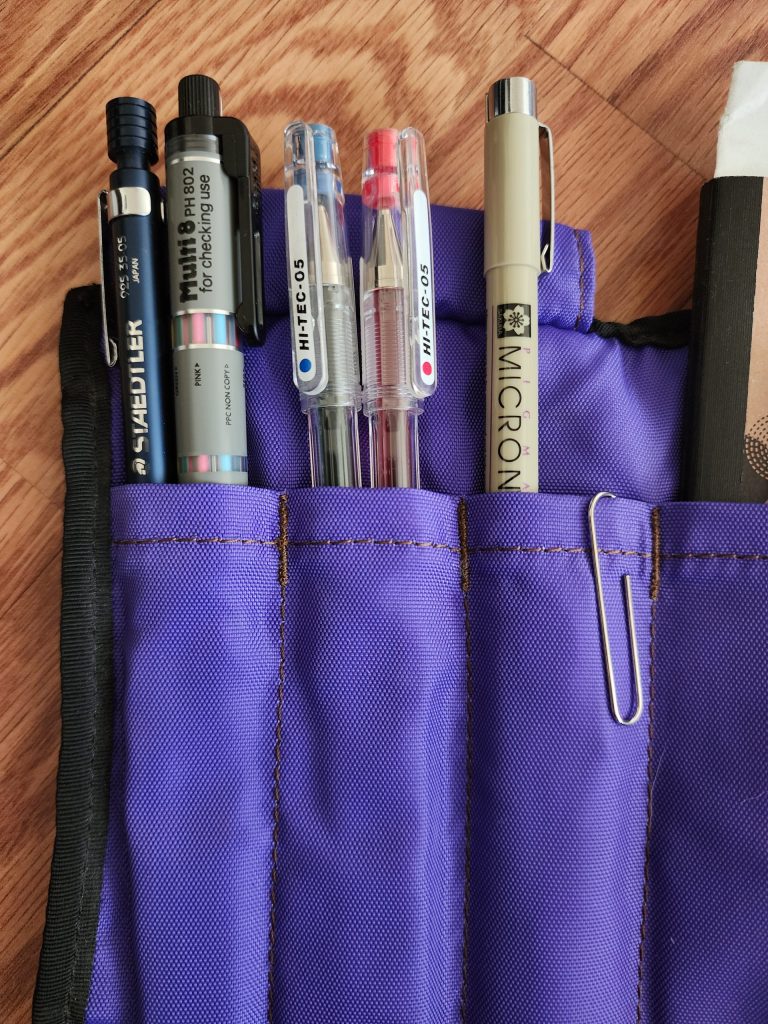
I have been absent updates for longer than intended. I knew going into this that it wouldn’t be an easy task for me, due to a very busy schedule and “real world” priorities. That said, I do want to try and find more time to post here. What complicates that further? Being in a creative rut.
The end of year / beginning of the year is always a higher stress time for me. With work projects that suddenly have looming “EOY” deadlines, the onset of the dreaded performance review season (which at my work, takes about a month and makes most other things come to a crawl with how involved it is), the it’ll-be-here-before-you-know-it tax season, and the minutiae of day to day life. There’s always a lot going on, and for someone like me, who’s day-to-day workload involves exactly zero creativity, it always pushes me into a creative rut. Fun projects and hobbies get put on the back-burner, and some inevitably sputter out due to other priorities or the fact that I can’t seem to get back into them for months. It has been no different this year, except for even more job-related stress due to uncertainties around employment changes at my office.
It’s a real shame, too! For several years, February has been a highlight month for TTRPG’s, with (and I admit, there’s too many of these to really keep track now) ZineMo, Zine Month, Zine Quest, Zinetopia, and more. It’s essentially a massive crowdfunding period for all sorts of TTRPG tools, titles and supplements. On one hand, great opportunity for folks who have worked hard to get their dreams out there, and communities to help them turn those ideas into physical and/or digital products. On the other hand, great opportunity for big corporations to capitalize on all that hard work (if you didn’t know, every crowdfunding platform takes a cut of your earnings, on top of payment processor fees, cost of ads you run, and any other platforms you may leverage).
I haven’t been nearly as active in crowdfunding this year as I have in years past – which, honestly, is a great thing for my wallet, but I have backed a few things which I’ll briefly touch on below. Note, some of these are either already finished crowdfunding or are nearing the end of their campaigns. I am in no way affiliated with any of these projects, these are simply things I decided to spend my own money on. Also, crowdfunding is not a guarantee – it’s a community believing in something, or wanting to see an idea brought into reality – remember this going into it, and be sure whatever you put into a campaign is something you’re ready to write off as soon as you click the button.
Space Aces: Wreck Runners
The original Space Aces was a rules lite, Sci-Fi RPG that fit on a business card and used a d20+d6 mechanic. It’s super simple, but has all that you need to run some quick space missions, including simple stats and a mission generator that gets you going with the main objective, location, opposition and a snag to add twists to your game. I really like the Stakes as well, which ask you simple questions about what you’re rolling for – and if there’s nothing risky, uncertain or dangerous, why roll at all? This version of the game is PWYW (Pay What You Want), and even comes with a bunch of additional modules that add more options to a great little game.
Space Aces: TNG is a revised and expanded version of Space Aces that combines all the modules into a single zine, and has a ton of tables, oracles, generators, and lots of great art. Check out the creators Itch.IO page for even more Space Aces content!
Space Aces: Wreck Runners is the latest crowdfunding campaign in the series, with a premise of live-streamed exploration of derelict ships in space (i.e.: Wreck Running). There are geomorph tiles to quickly build a starship, with rules to explore it while being live-streamed, to gain loot and glory, and some new mechanics that I’m interested in learning more about once it releases. It promises some wacky, chaotic adventures that I might even be able to convince my kids to play, with the added physical component to build a ship.
These were all made by Stephen D. of T-Rex games.
GLIDE: Part Two
GLIDE, from Sasquatch Games (who also made Zones, a fun STALKER inspired RPG), is another Sci-Fi game, inspired by Frank Herbert’s Dune. It focuses on exploration of a desert planet, where you play a nomad who hopes to help restore the planet back to its original resplendence. I’m a big fan of the simple, effective art pieces throughout the zine, that add to the atmosphere the game sets up. There are a lot of additional expansions for the original game on the Sasquatch Games Itch.IO page as well, such as Relic Hunting and Bounty Hunting.
GLIDE: Part Two is an expansion of the world of Eridoor (where the original game is set), but doesn’t require the original game to play. It promises to add more tools to build emergent stories, a hex travel system, and deeper character generation. It’s a d10+d6 system, and while I’ve skimmed through the preview of the new rules (which seem pretty complete in all honesty!), I haven’t read through them entirely nor have I sat down to actually play. Overall, it looks like it will turn out to be a fantastic product, with even more great artwork!
SPACECAT Sci-Fi Adventure RPG
This looked like an interesting game + comic combo when I stumbled across it. It reminded me of Mausritter (another anthropomorphic animal game that has a vast amount of content out there) and No Mans Sky (the video game) when I first saw it. After reading the 2 sentence blurb at the top of the campaign, I figured I would have to back it.
A scifi adventure game inspired by Cairn, Into the Odd, and Mausritter. Discover bizarre worlds, fantastical alien creatures, ancient spacecraft, space pirates, and the depths of the unknown.
The premise is nothing new, you’re a spacefaring animal (OK, maybe that part isn’t too common) who is in major debt and you generate your stories/quests to determine how you’ll pay that debt off (or will you?). It’s a 3-stat system (Strength, Dexterity, Hope), and I’m interested in seeing what sort of tools it incorporates to keep the world expanding and your adventure continuing.
Depending on the tier you back, it also includes a comic, which looks like it’s based on a long-running webcomic from the creator. I have only looked at the first page posted on Substack, as I want to see the full comic when I receive it post-campaign, but I already enjoy the art style and I’m a sucker for space stories, so I don’t think I’ll be disappointed.
There are a lot of great looking projects out there, and most, if not all, of the ones that have been funding this month will be available at least digitally (which is great considering the shipping costs of some of the projects, and ongoing concerns around tariffs and imports/exports). A lot of creators have Itch.IO pages, or their own web shops, for you to go explore as well!
Hopefully everyone else is have more creative inspiration than I have been, and if you haven’t checked out any new games lately, go see what else is out there for your next Pen and Paper Quest!
P.S.: If you ever back a crowdfunded campaign that doesn’t fulfill, remember there are real people behind those projects. It’s frustrating, sure, but be kind. Those people are probably also disappointed and going through their own challenges. I’ve backed my fair share of projects, and I can count on two hands the number of campaigns that never fulfilled, and on one hand the number that ended up being actual scams. It’s a small number in the grand scheme of things and not worth the wasted energy.